
MANOS
The research provides a comprehensive analysis of the discourses, socio-economic contexts, social dynamics, and technological mechanisms through which boys and young men become radicalised in sexist, misogynistic, and anti-feminist online groups, through a comparative study of the Portuguese and Irish contexts between 2018 and 2028.
Based on the idea that radicalisation trajectories begin with the consumption of content created in environments frequented by any internet user, i.e. mainstream platforms such as TikTok, Instagram and YouTube, and using an interdisciplinary approach that combines gender studies with critical media studies and studies on radicalisation processes, the MANOS research project analyses the conditions, motivations and mechanisms that enable young boys to join misogynistic discourses and masculinist communities on the Internet — which are not restricted to the well-known PickUp Artists, MRAs, MGTOWs and InCels — contributing to filling the theoretical and empirical gap that exists both in academic research on the paths to radicalisation within masculinist supremacism in general and in the study of the manosphere in Portugal in particular.
At the same time, it seeks to explore how, to what extent, and why adherence to masculinist discourses and online communities is fuelled by various forms of male discontent and resentment from a perspective that encompasses male subjectivity in diverse cultural and socioeconomic contexts. That said, the project also has a social purpose that is to contribute to the construction of a more egalitarian society by raising awareness among the academic community, civil society and political entities about the problem of the masculinist socialisation of children and young people. It emphasises the need to promote social programmes that can address the problem of radicalisation and school scripts that enable educators to identify and respond to boys and young men who may be easy targets.
Main Goals
The MANOS project is based on a theoretical and empirical framework that considers not only material dimensions, both conjunctural and supra- and infrastructural, but also discursive, cultural, and political dimensions, which include subjectivities and emotions shaped by rationalities produced at the intersection between digital platforms and the neoliberal ideological context that informs them. It starts from the hypothesis that, although misogynistic discourses are part of the social structure of both countries and have been transmitted intergenerationally through various spaces of socialisation such as the family or school, in recent years they have been exacerbated, shaped and amplified by the new affordances of digital platforms — e.g. e.g., forums, social networks, and messaging apps—built on neoliberal economic dynamics and rationalities and frequented by young men who are highly receptive to the discourse that circulates on them and their social dynamics.
Thus, the main objectives of the research are:
- To investigate the development of male supremacist formations, collectively referred to as manosphere, within the Portuguese and Irish context between 2015 and 2025. This includes examining the emergence, growth, and characteristics of these formations;
- To understand how, to what extent and why these manosphere formations resonate with various forms of male disaffection in diverse cultural and socioeconomic settings, with a specific focus on the perspectives and experiences of young men;
- Use research findings to inform the development of strategies and public policies aimed at preventing indoctrination in spaces within the manosphere and providing support to young people who are radicalised or at risk of becoming radicalised.
Researcher

Veronica Ferreira is a PhD researcher at Dublin City University Institute for the Research on Genders and Sexualities (DCU-IRGS). She is currently working as a postdoctoral researcher under the project “MANOS. The MANOSphere Pill: Pathways of Boys and Men Into Online Male Supremacism in Portugal and Ireland”, funded by Marie Skłodowska-Curie European Postdoctoral Fellowship (MSCA) (2025-2028). Her current research interests focus on media representations; gender studies; decolonial studies; discourses on violence; critical discourse analysis; critical internet studies; and education policies.
Supervisor
Debbie Ging is Professor of Digital Media and Gender in the School of Communications at Dublin City University, Ireland, and the Director of DCU Institute for Research on Genders and Sexualities. She teaches and researches on gender, sexuality and digital media, with a focus on digital hate, online anti-feminist men’s rights politics, the InCel subculture and radicalisation of boys and men into male supremacist ideologies. Her research also addresses youth experiences of gender-based and sexual abuse online and educational interventions to tackle this issue.
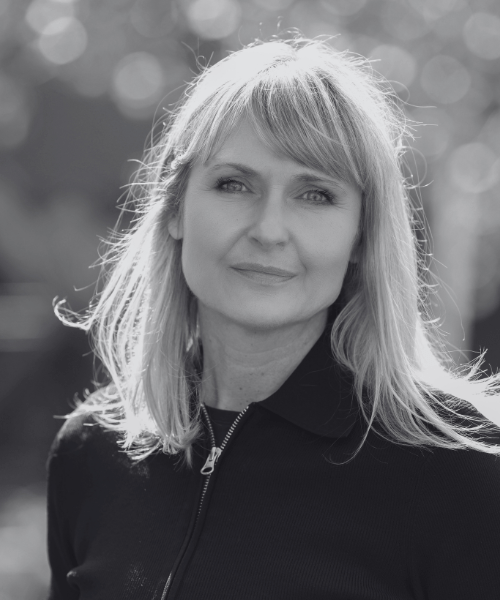
Secondment Supervisor in Portugal

Sofia José Santos is an Associate Researcher at the Centre of Social Studies of the University of Coimbra and an Assistant Professor of International Relations at the Faculty of Economics of the University of Coimbra (FEUC). She has been developing research from a critical perspective on the intersection of the internet and technopolitics, as well as media and masculinities, among others. Her work is also characterised by active participation in international networks, such as MenCare and MenEngage, among others, and collaboration with global NGOs, including Equimundo.
